
Binds to Receptors
Acts as both a hormone and neuropeptide, binding to oxytocin receptors in the brain and throughout the body.
$249.00
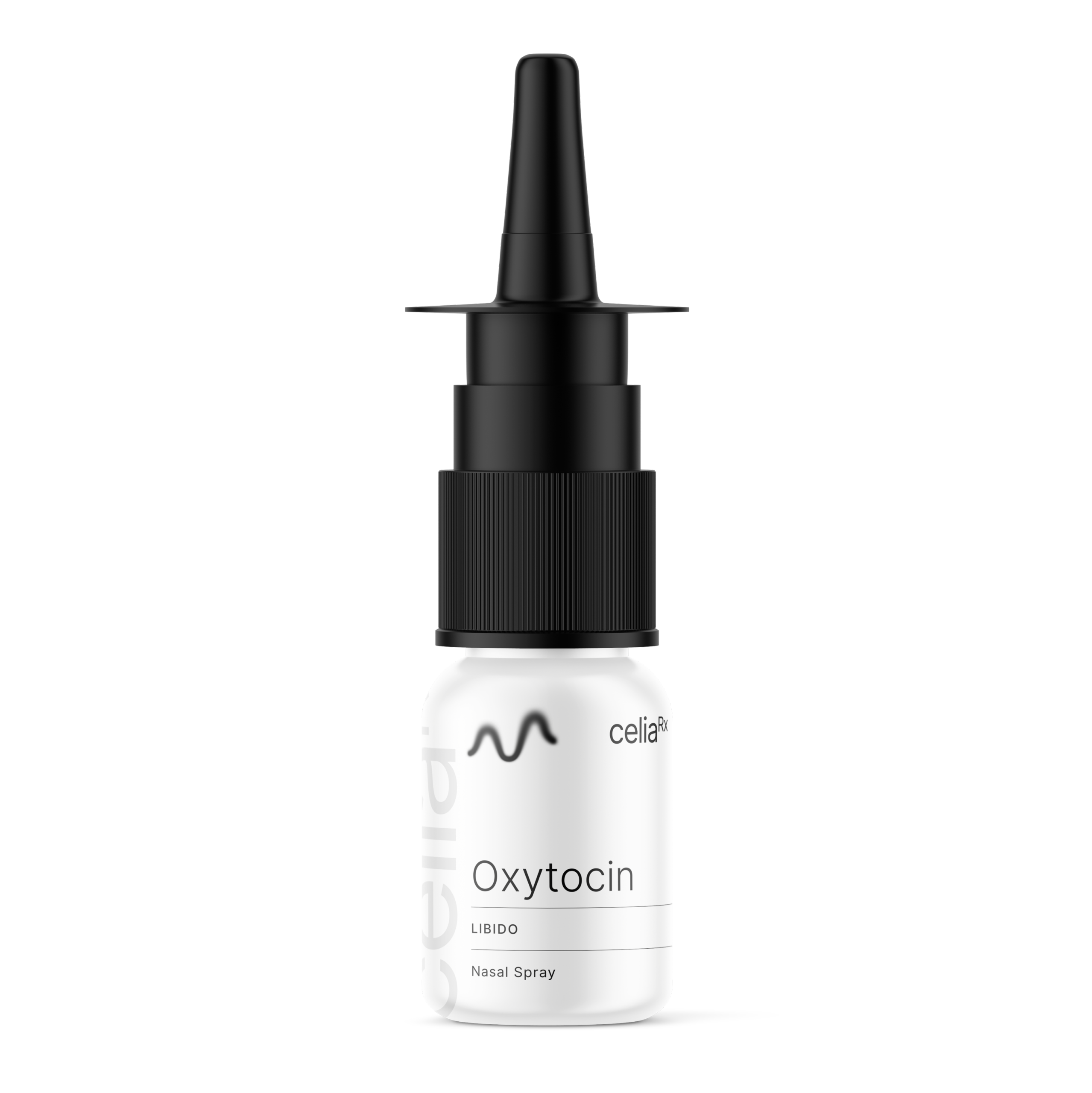
Oxytocin is a neurohormone delivered intranasally to support emotional regulation, bonding, and stress reduction. It is frequently used for mood support and social-emotional balance.

May support emotional connection: Oxytocin signaling is involved in pathways associated with bonding, attachment, and interpersonal connection.

May support social-emotional processing: Influences neural pathways involved in processing socially relevant and emotional information.

May support healthy stress-response signaling: Interacts with neuroendocrine pathways involved in the body’s physiological response to stress.
Oxytocin can produce physiological and neurobehavioral effects and may not be appropriate for every patient.
Use caution in patients with bipolar disorder or a history of mania or hypomania. Because oxytocin may influence emotional and behavioral signaling, patients with significant psychiatric or mood disorders should be evaluated carefully and monitored for changes in mood or behavior.
Oxytocin is not recommended during pregnancy without specific provider guidance. Oxytocin can stimulate uterine contractions. Anyone who is pregnant, may be pregnant, or is actively trying to conceive should notify their clinician before use.
Additional considerations may include cardiovascular conditions, disorders affecting fluid or electrolyte balance, and medications that affect mood, blood pressure, or neuroendocrine function.
Review your complete medical history, medications, and supplements with your prescribing clinician before treatment.
Potential side effects may include:
Individual response to intranasal oxytocin can vary.
Oxytocin is a naturally occurring hormone and neuropeptide. Within the nervous system, it is involved in social recognition, attachment, emotional processing, stress responses, and interpersonal behavior. It also has established physiological roles in labor and breastfeeding.
Oxytocin is associated with attachment, affiliative behavior, parental bonding, and social interaction, which has led to its popular nickname as the “bonding hormone.” However, its effects are more complex and can vary depending on the individual and social context.
Intranasal oxytocin has been studied for its effects on social attachment, recognition, interpersonal behavior, and emotional processing. Results vary between individuals and situations, and oxytocin is not FDA-approved specifically to improve bonding.
Oxytocin interacts with neural and hormonal pathways involved in the body’s stress response. Researchers have investigated whether it may influence perceived stress or anxiety in certain situations, but findings are mixed and context-dependent. Intranasal oxytocin is not FDA-approved as an anxiety treatment.
The prescribed protocol may allow one spray in each nostril up to four times daily as needed. Always follow the exact dosing instructions provided with your prescription.
No. This compounded intranasal oxytocin formulation is not FDA-approved. FDA-approved oxytocin products exist for specific obstetric uses, while intranasal use for mood, bonding, emotional regulation, or stress-related applications is separate and off-label or investigational.
Compounded oxytocin may be prescribed through telehealth when a licensed clinician determines that treatment is medically appropriate after reviewing your health history, medications, and treatment goals.
Oxytocin is a naturally occurring peptide hormone and neuropeptide involved in social behavior, bonding, emotional processing, stress response, and reproductive physiology.
Intranasal oxytocin has been studied for its potential effects on social-emotional processing, interpersonal connection, mood, and stress-related responses. Effects can vary considerably depending on the individual and clinical context.
This compounded Oxytocin Nasal Spray is not FDA-approved.
All dosing should follow the instructions provided by the prescribing clinician.
Acts as both a hormone and neuropeptide, binding to oxytocin receptors in the brain and throughout the body.

Interacts with brain signaling pathways involved in emotional processing, social bonding, and interpersonal connection.

Participates in physiological processes related to stress responses, social behavior, and reproductive function.

Influences cellular signaling in brain regions involved in social recognition, emotional responses, and interpersonal interactions, with effects that vary by context.
Oxytocin plays a role in both reproductive physiology and central nervous system signaling. Compounded intranasal oxytocin has been investigated for several neurological, behavioral, and social-emotional applications.
These uses of intranasal oxytocin are off-label or investigational and are not FDA-approved indications. Treatment eligibility is determined through an individualized medical evaluation.
All dosing should follow the instructions provided by the prescribing clinician.
Oxytocin is a naturally occurring neuropeptide produced in the hypothalamus that acts as both a hormone and neurotransmitter. Oxytocin receptors are distributed throughout brain regions involved in social recognition, emotional processing, bonding, intimacy, and sexual response. Its signaling helps coordinate neuroendocrine pathways associated with social connection, reproductive physiology, and sexual behavior.